A snooker ball set is the heart of any snooker game, yet many players, both beginners and experienced, don’t fully understand what makes these sets unique or how to choose the right one for their needs. Unlike pool or billiards, snooker uses a specific configuration of 22 balls with distinct colors, sizes, and point values that directly impact gameplay quality and enjoyment.
Whether you’re setting up a home snooker table, replacing worn balls, or understanding the differences between various set types, choosing the right snooker ball set affects everything from shot accuracy to long-term durability.
Understanding these differences helps ensure your snooker experience matches the standards that make this classic cue sport so rewarding to play.
What Makes a Snooker Ball Set Unique?
Standard Snooker Ball Configuration
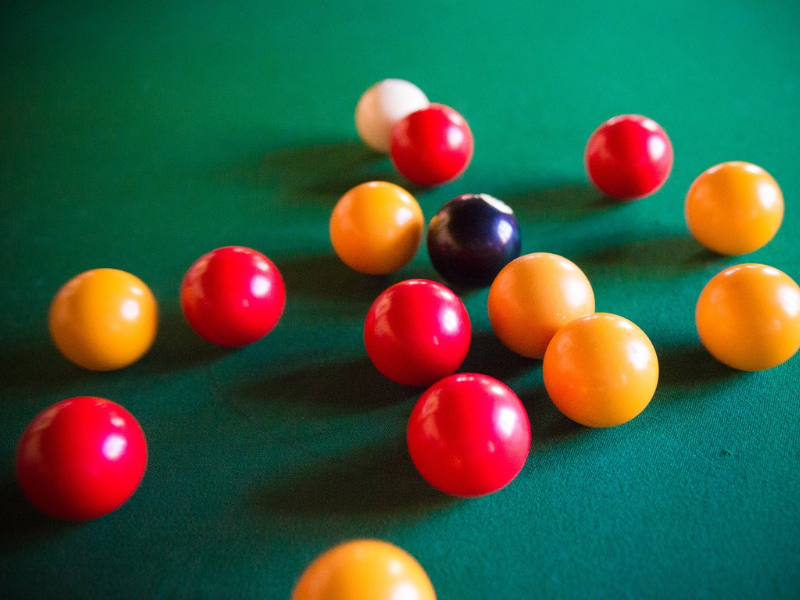
A complete snooker ball set contains 22 balls total:
- 15 red balls (1 point each)
- 6 colored balls with specific point values
- 1 white cue ball
This configuration is standardized worldwide and differs significantly from other cue sports. Pool sets typically contain 15 or 16 balls depending on the game variant, while carom billiards uses only 3 balls total.
Once the balls are set up, you can finally break and begin the game. Check out our guide on how to break in snooker to really ensure your games get off to a strong start!
Key Distinguishing Features
Color Coding System: Snooker’s colored balls have fixed point values that define the game’s scoring strategy:
- Yellow (2 points)
- Green (3 points)
- Brown (4 points)
- Blue (5 points)
- Pink (6 points)
- Black (7 points)
Material Standards: Modern snooker balls are manufactured from high-grade phenolic resin, providing consistent weight distribution and durability that meets professional standards set by the World Professional Billiards and Snooker Association (WPBSA).
Size Precision: Unlike pool balls which can vary slightly between manufacturers, snooker balls must meet precise specifications to ensure fair play and proper table interaction.
Snooker Ball Sizes and Weights
Official Specifications
According to snooker rules for the WPSA, regulation snooker balls must meet these precise measurements:
Standard Tournament Balls:
- Diameter: 52.5mm (2.07 inches)
- Weight: 130-140 grams (approximately 4.6-4.9 ounces)
- Tolerance: ±0.05mm for diameter, ±3 grams for weight
Size Variations for Different Tables
Just like with balls, snooker table sizes are standardised across the game too.
Full-Size Snooker Tables (12ft): Use standard 52.5mm balls for proper proportion and gameplay dynamics.
10ft Tables: May accommodate standard balls, though some players prefer slightly smaller options for better pocket-to-ball ratios.
8ft and Smaller Tables: Often use 2-inch (50.8mm) balls or even 1⅞-inch (47.6mm) balls to maintain appropriate scale and playability.
Check out our guide on snooker table setup if you’re having difficulty.
Why Precision Matters
Consistent ball size and weight ensure:
- Predictable ball behavior during collisions and spin
- Accurate pocket clearance without jamming or loose fits
- Fair competition when balls behave identically
- Proper cue ball control for advanced positional play
Even small variations can significantly affect shot outcomes, particularly for precision shots and delicate positional play that defines high-level snooker.
Types of Snooker Ball Sets
Full Tournament Sets
Standard Composition: Major snooker tournaments will include the complete 22-ball configuration using regulation 52.5mm balls meeting WPBSA specifications. These sets are used in all professional competitions and serious club play.
Key Features:
- Consistent weight distribution across all balls
- Precise color matching to official standards
- High-grade phenolic resin construction
- Individual ball tolerances within professional limits
Best For:
- Full-size snooker tables (12ft)
- Competitive play and tournaments
- Players serious about developing proper technique
- Clubs and snooker venues
Training and Practice Sets
Training sets include specialized balls designed to improve specific skills and techniques.
Marked Cue Balls:
- Dot patterns: Show ball rotation and spin direction
- Line markings: Help visualize contact points and angles
- Numbered zones: Assist with positional training
Practice Ball Variations:
- Red ball sets: Multiple reds with different markings for break-building practice
- Weighted balls: Slightly heavier for developing stronger cue action
- High-visibility sets: Enhanced colors for video analysis and instruction
Training Applications:
- Developing consistent cueing technique
- Understanding spin and ball physics
- Practicing specific shot types and positions
- Video analysis and coaching sessions
Junior or Small Table Sets
2-Inch Ball Sets (50.8mm): Designed for 8ft and 9ft snooker tables, providing better proportional gameplay on smaller surfaces.
1⅞-Inch Ball Sets (47.6mm): Used on 6ft and 7ft “snookerette” tables, popular in homes with space constraints.
Benefits for Smaller Tables:
- Maintains proper pocket-to-ball ratios
- Preserves snooker’s tactical elements on compact tables
- Allows proper technique development despite size limitations
- More forgiving for younger or developing players
When to Choose Smaller Sets:
- Limited space installations
- Youth development programs
- Home recreational play
- Learning fundamental techniques before progressing to full-size tables
Decorative or Novelty Sets
Collector Sets:
- Historical reproductions (ivory-style finishes)
- Limited edition designs and colors
- Presentation cases and display options
Gift and Novelty Options:
- Personalized engraving
- Alternative color schemes
- Themed designs (team colors, special events)
Note on Usage: While decorative sets can be visually appealing, they may not meet playing standards for serious gameplay. Always verify specifications if planning to use decorative sets for actual play.
Materials Used in Snooker Balls
Historical Context
Traditional Ivory: Early snooker balls were carved from elephant ivory, prized for its density, durability, and smooth surface. Ivory production ceased in the 1970s due to conservation concerns and has been completely replaced by synthetic alternatives.
Modern Materials
Phenolic Resin (Industry Standard):
- Composition: Thermosetting polymer with exceptional durability
- Properties: Consistent density, smooth surface, resistance to chipping
- Performance: Predictable ball reaction and long-term color stability
- Professional Use: Required for all WPBSA-sanctioned tournaments
Composite Materials:
- Polyester Resin: Lower-cost alternative for recreational play
- Performance Trade-offs: Less consistent weight distribution, shorter lifespan
- Appropriate Use: Casual play and practice sets where cost is a primary concern
Material Impact on Gameplay
Phenolic Resin Advantages:
- Superior ball-to-ball contact consistency
- Maintains true spherical shape over time
- Resists surface wear and discoloration
- Provides optimal sound and feel characteristics
Quality Indicators:
- Consistent surface finish without visible seams
- Uniform weight across all balls in a set
- Deep, saturated colors that resist fading
- Smooth, glass-like surface texture
Color Coding and Markings: What to Know
Standard Ball Colors and Point Values
| Color | Point Value | Specific Role |
| Red | 1 point | 15 balls; potted alternately with colors |
| Yellow | 2 points | Lowest value color ball |
| Green | 3 points | Often positioned near corner pockets |
| Brown | 4 points | Traditional baulk area positioning |
| Blue | 5 points | Center table spot position |
| Pink | 6 points | Triangle apex positioning |
| Black | 7 points | Highest value; foot spot position |
Ball Positioning and Table Spots
Each colored ball has a designated starting position on the table:
- Black: Foot spot (12¾ inches from bottom cushion)
- Pink: Midpoint between foot spot and pyramid apex
- Blue: Center spot (middle of table)
- Yellow, Green, Brown: Arranged in baulk area
Marked Cue Ball Options
Training Markings:
- Six-dot pattern: Shows ball rotation clearly
- Equatorial line: Helps visualize contact points
- Quadrant divisions: Assists with spin placement understanding
Professional vs. Practice: Tournament play uses unmarked white cue balls, while practice sessions often benefit from marked versions to develop technique and ball control understanding. You’ll notice that what sets the most famous snooker players apart from your regular guy at the bar is knowing how to control your options and ball positioning even when it’s no longer their turn.
Snooker vs Pool vs Billiards Ball Sets
Comprehensive Comparison
| Aspect | Snooker | Pool (8-Ball) | Carom Billiards |
| Total Balls | 22 | 16 | 3 |
| Ball Diameter | 52.5mm (2.07″) | 57.15mm (2.25″) | 61.5mm (2.42″) |
| Weight Range | 130-140g | 156-170g | 205-220g |
| Color System | Points-based (1-7) | Groups (solids/stripes) | White, yellow, red |
| Material Standard | Phenolic resin | Phenolic/polyester | Phenolic resin |
| Cue Ball | Plain white | Plain white | Two cue balls (some games) |
Compatibility and Substitution
Using Pool Balls on Snooker Tables:
- Size mismatch: Pool balls (57.15mm) are too large for snooker pockets
- Weight difference: Heavier pool balls affect cue ball control
- Color confusion: Pool’s numbering system doesn’t match snooker’s point values
- Recommendation: Not suitable for proper snooker gameplay
Using Snooker Balls on Pool Tables:
- Pocket clearance: Smaller snooker balls may rattle in pool pockets
- Gameplay impact: Changes shot difficulty and strategy
- Limited applications: Possible for practice but not ideal for standard pool games
Cross-Sport Training: Some players practice with different ball sizes to develop adaptability, but this should supplement, not replace, sport-specific equipment training.
Having an idea of the snooker table size you’re playing on can help ensure you’re using the correct snooker balls on it.
How to Choose the Right Snooker Ball Set for You
Primary Factors to Consider
Table Size Compatibility:
- 12ft tables: Standard 52.5mm (2.07″) tournament balls
- 10ft tables: Standard balls or 2″ alternatives
- 8ft and smaller: 2″ (50.8mm) or 1⅞” (47.6mm) balls for proper proportions
Level of Play:
- Tournament/Competitive: WPBSA-approved phenolic resin sets only
- Club/Serious Practice: High-quality phenolic resin for consistency
- Recreational/Home: Quality phenolic or premium composite options
- Learning/Junior: Appropriate size with focus on durability over precision
Training and Development Needs:
- Technique Development: Marked cue balls and training sets
- Break Building: Multiple red ball practice sets
- General Play: Standard tournament configuration
Quality Indicators to Look For
Manufacturing Standards:
- Consistent weight across all balls (±2g maximum variation)
- Uniform surface finish without visible seams or imperfections
- Deep, fade-resistant colors matching official standards
- Precise spherical shape and consistent diameter
- Manufacturer specifications clearly stated
Material Quality Signs:
- High-grade phenolic resin construction
- Glass-like surface smoothness
- Appropriate density and weight distribution
- Clear, crisp sound during ball-to-ball contact
Red Flags to Avoid:
- Significant weight variations between balls
- Visible manufacturing seams or surface irregularities
- Colors that appear faded or inconsistent
- Vague material specifications or unknown manufacturers
- Prices that seem too good to be true for quality materials
Decision-Making Checklist
Before Purchasing:
- Measure your table size and pocket dimensions
- Determine your primary use (tournament, practice, recreational)
- Set a realistic budget based on quality requirements
- Consider any specific training needs
- Verify manufacturer specifications and materials
- Check compatibility with existing equipment
For Beginners:
- Start with quality standard sets appropriate for your table size
- Consider training aids (marked cue balls) for technique development
- Prioritize durability over professional-grade precision initially
- Plan to upgrade as skills and commitment increase
For Advanced Players:
- Invest in tournament-grade phenolic resin sets
- Maintain backup sets for practice vs. competition
- Consider specialized training equipment for skill development
- Replace sets when wear affects consistency
While having a solid snooker ball set feels good, it shouldn’t detract from buying the best snooker cue you can get your hands on. After all, you’ll likely play in multiple locations and bring your cue in. It’s the thing you’ll use the most in the game, so it makes sense to set yourself up with a cue that will last for years.
Frequently Asked Questions (FAQs)
How many balls are in a snooker set?
A complete snooker set contains 22 balls: 15 red balls (1 point each), 6 colored balls with values from 2-7 points (yellow, green, brown, blue, pink, black), and 1 white cue ball. This configuration is standardized worldwide and essential for proper snooker gameplay.
Can I use pool balls on a snooker table?
Pool balls are not recommended for snooker tables. There are differences between snooker and pool, so equipment should be kept to their respective games. Pool balls measure 57.15mm diameter compared to snooker’s 52.5mm, making them too large for snooker pockets and significantly altering gameplay dynamics. Additionally, pool balls are heavier (156-170g vs. 130-140g) and use different color coding that doesn’t match snooker’s point system.
Are all snooker balls the same size?
Tournament snooker balls are standardized at 52.5mm (2.07 inches) diameter. However, smaller table sets use proportionally smaller balls: 2-inch (50.8mm) balls for 8-10ft tables, and 1⅞-inch (47.6mm) balls for compact 6-7ft tables. The size variation maintains proper gameplay proportions on different table sizes.
What are the best materials for snooker balls?
Phenolic resin is the gold standard for snooker balls, required for professional play due to its consistent density, durability, and optimal playing characteristics. High-quality composite materials can work for recreational play but offer less consistency. Avoid cheap plastic or polymer balls that significantly compromise gameplay quality.
Are there differences between professional and home snooker ball sets?
Professional sets must meet strict WPBSA specifications for tournament play, with precise weight tolerances (±3g) and exact color standards. Home sets may have slightly relaxed tolerances while still providing excellent gameplay. The key difference is consistency requirements—professional sets undergo more rigorous quality control, while quality home sets can provide nearly identical playing experience at lower cost.
Choose the Right Snooker Ball Set for You
Choosing the right snooker ball set significantly impacts your playing experience, from shot accuracy and consistency to long-term enjoyment of the game.
Understanding the differences between tournament sets, training options, and size variations helps ensure you select equipment that matches your table size, skill level, and playing goals.
The key takeaways for selecting your ideal snooker ball set:
- Match ball size to your table dimensions for proper proportions
- Invest in quality phenolic resin construction for consistent performance
- Consider training aids if developing technique is a priority
- Verify specifications before purchasing to ensure compatibility
Before making your final decision, review your table specifications and honestly assess your current playing level and goals. Whether you’re setting up a first home table or upgrading well-used equipment, the right ball set forms the foundation for countless hours of rewarding snooker play.