Pool & Snooker Games & Rules
Understanding the pool & snooker games & rules is crucial for anyone looking to excel at these popular cue sports. Both games bring a unique blend of strategy, skill, and competition. This article will provide a comprehensive overview of the rules, gameplay mechanics, and differences between pool and snooker, ensuring you have all the knowledge needed to play effectively or even just enjoy watching the game.
Overview of Pool and Snooker
While pool and snooker are often mentioned together, they are distinct games with their own set of rules and equipment. Here’s an insight into each:
- Pool: Played on a table featuring six pockets. Pool, specifically the popular 8-ball variant, typically involves 15 numbered balls plus a white cue ball. The objective is to either pocket all of your designated balls and then the 8-ball or to strategically pocket balls according to the specific game rules.
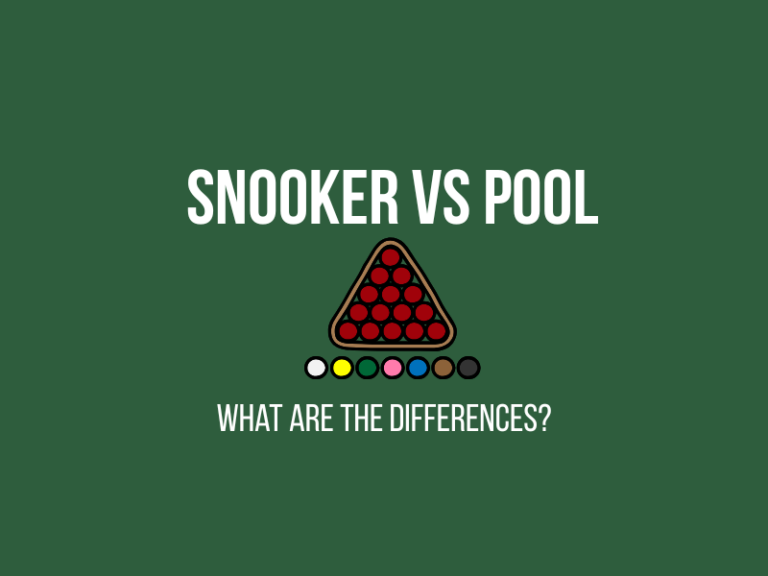
- Snooker: Played on a larger table with six pockets, snooker uses 21 balls (15 red, 6 colored, and a white cue ball). In snooker, players aim to score points by potting balls in a specific order, leading to a more strategic and tactical gameplay dynamic.
Basic Rules of Pool
Understanding the rules of pool is essential for anyone wanting to engage in public games or tournaments. Here are the fundamental rules that govern most pool games:
8-Ball Pool Rules
8-ball is one of the most popular variants of pool. Here are the key rules:
- Breaking: The game begins with a break shot where the cue ball must strike the triangle of balls. At least four balls must touch a cushion for the break to be legal.
- Pocketing Balls: Players must pot all of their designated balls (stripes or solids) before attempting to pot the 8-ball.
- Winning: The game is won by sinking the 8-ball after all of a player’s designated balls are cleared.
For an in-depth look at the 8-ball pool rules, check out our detailed guide.
Key Rules of Snooker
Snooker rules can seem more complex than those of pool. Here’s a breakdown:
- Scoring: Players score by potting balls in the correct sequence. A player starts by potting a red ball (1 point). Upon potting a red, they must then attempt to pot a colored ball, which scores more points (2 to 7 depending on the color).
- Fouls: Committing a foul can lead to points awarded to the opponent. Fouls include failing to hit the correct ball first or pocketing the wrong ball.
To master the complexities of this game, visit our extensive overview of rules for snooker.
Differences Between Pool and Snooker
While both games involve cue sports mechanics, there are several key differences:
- Table Size: Snooker tables are larger than pool tables, typically measuring 12 feet by 6 feet compared to the standard 7, 8, or 9 feet for pool tables.
- Ball Colors and Scoring: Snooker uses a different set of balls and a more complex scoring system, requiring strategic planning for maximum points.
- Game Dynamics: Snooker emphasizes more tactical play due to its larger table and nuanced rules, while pool is often faster-paced.
For further insights on this topic, refer to our article detailing the difference between pool, billiards, and snooker.
Common FAQs About Pool & Snooker Games & Rules
What is the objective of pool?
The primary objective in pool, especially in the 8-ball variant, is to pocket all of your designated balls (either stripes or solids) and then pocket the 8-ball to win.
What is the difference between a foul in pool and snooker?
In pool, common fouls include scratching the cue ball or failing to hit one of your designated balls first. In snooker, fouls can lead to losing points and include various rules about hitting the correct balls in sequence.
How do I avoid committing fouls in pool?
To avoid fouls in pool, focus on legal breaks, ensure you hit your balls first, and familiarize yourself with rules like the pool scratch rules.
What should I know about snooker scratch rules?
In snooker, a scratch results from missing a valid shot, leading to a foul that can grant points to your opponent. Understanding snooker scratch rules helps in maintaining competitive play.
Whether you’re a novice looking to learn or an experienced player honing your skills, understanding the pool & snooker games & rules will enhance your enjoyment of these classic sports. Happy playing!