
Nick Varner
Nick Varner is one of the most decorated American pool players of the twentieth century, a man whose longevity, consistent excellence, and gentlemanly demeanor earned him legendary status in the sport. Known widely as “The Kentucky Colonel,” Varner competed at the highest levels of professional…
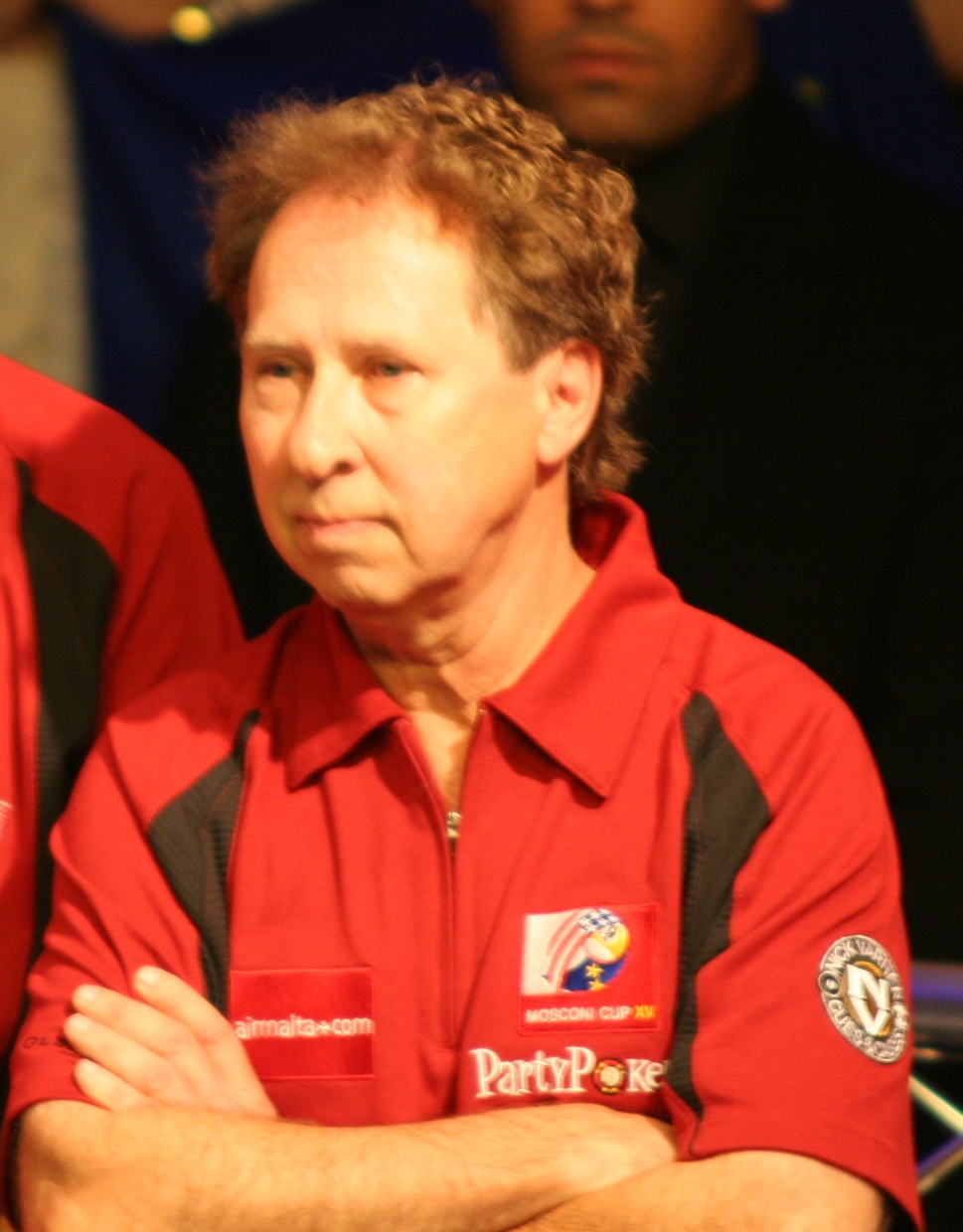 Wikimedia Commons, CC BY-SA
Nick Varner at a Glance
- Nationality – American
- Born – 9 June 1948
- Nickname – Kentucky Colonel
- Turned Professional – 1970s
- Known For – Multiple World 14.1 Championships and BCA titles spanning four decades
Early Life and the Road to Professional Pool
Nick Varner grew up in Kentucky, a state with deep roots in billiards culture, and like many players of his era he was drawn to pool halls at a young age. The game was a fixture of American working-class leisure in the mid-twentieth century, and talented young players learned by competing against everyone in the room, hustlers, veterans, and fellow up-and-comers. Varner absorbed the full education that environment offered. He developed a meticulous approach to shot-making and position play that would define his game for the next five decades.
There were no academies or structured junior pathways in American pool during Varner’s formative years. Progress meant playing for money, entering local and regional tournaments, and testing yourself against the toughest competition available. Varner rose steadily through that circuit and eventually made the transition to national-level competition, where his technical precision and cool temperament set him apart from the field.
Career Highlights
Varner’s professional career is remarkable both for its range and its length. He won multiple world titles across different disciplines, which speaks to the breadth of his cue ball mastery. In nine-ball, widely regarded as the marquee professional discipline in the United States for much of the late twentieth century, Varner was a consistent threat at every tournament he entered. He claimed the World Pool-Billiard Association World Nine-Ball Championship, the sport’s most prestigious title, more than once, placing him among an elite group of American players to accomplish that feat.
Beyond nine-ball, Varner demonstrated genuine versatility. He competed seriously in straight pool, a format that rewards patience, shot selection, and long-term strategic thinking above all else. Straight pool titles at major events confirmed he was not merely a specialist but a complete player. He also competed in one pocket and eight-ball at professional levels, accumulating a record that spans across the full breadth of cue sports disciplines.
His performances at the World Pool Championship helped define what American professional pool looked like in its most competitive era. Varner was a fixture in the late rounds of major events through the 1980s and well into the 1990s, competing against the legends of that period including Earl Strickland, Efren Reyes, and countless others who made the game compelling during those years.
One of the more remarkable aspects of Varner’s career is how long he remained competitive at the top level. Professional pool is physically demanding in ways that are not always obvious from the outside. Standing at a table for hours, maintaining concentration across long matches, and managing the mental pressure of high-stakes competition takes a toll. Varner managed all of it with a composure that became one of his defining characteristics. Opponents knew that rattling him was close to impossible.
His BCA Hall of Fame induction in 1996 recognized a career that had already spanned more than two decades of elite competition. The honor placed him alongside the most important figures in American pool history, a fitting tribute to a player who had contributed so much to the game’s competitive fabric.
Playing Style and Technical Approach
Varner’s style at the table was built on precision and control rather than flash. Where some players win admiration with spectacular long pots or risky shot selections, Varner’s approach was systematic. He broke the table down methodically, prioritized cue ball position, and rarely gave opponents chances they should not have had. That kind of disciplined play is harder to maintain than it looks, and it demands a level of technical excellence that only a small number of players ever achieve.
His stroke was smooth and repeatable, the product of thousands of hours of practice. Repeatable mechanics are the foundation of consistency in pool, and Varner’s ability to execute under pressure came directly from building those mechanics to a standard where they held up even in the final frames of a tight match. Choosing the right pool cue and maintaining it properly matters at that level, where even minor equipment inconsistency can affect feel and confidence over a long session.
He was also known as a superb safety player. In nine-ball, safety play can be the difference between winning and losing at the highest levels, and Varner understood how to use defensive shots not just to survive but to impose pressure on opponents. A well-placed safety from Varner put the opposing player in a genuinely difficult position, and he had the patience to play that waiting game for as long as the match required.
His temperament matched his technical game. Varner approached competition with a calm professionalism that earned him the respect of players across generations. He was competitive without being theatrical, confident without being arrogant. In an era when pool had its share of colorful and sometimes combustible personalities, the Kentucky Colonel’s steadiness stood out as something close to a competitive superpower.
The mental side of pool is something every serious player grapples with, and top competitors are meticulous about everything from their pre-shot routine to their equipment. Varner’s consistency extended to his preparation, and players who followed his example learned that attention to detail, including equipment care such as proper cue tip maintenance, is what separates players who occasionally play well from players who perform at a high level tournament after tournament.
Legacy and Influence
Nick Varner’s place in American pool history is secure. He won at the highest level across multiple disciplines and multiple decades, and he did so with a style of play that influenced the way a generation of younger American players thought about the game. His career arc, from Kentucky pool halls to world championship stages, is the kind of story that reminds fans why professional pool rewards dedication and craftsmanship.
Younger players who came up watching Varner absorbed lessons about professionalism and strategic thinking that go beyond individual shot-making. He demonstrated that the complete game, position play, safety strategy, mental discipline, and technical consistency, is more durable over a long career than any single attribute, however impressive it might be on its own.
His legacy is also a reminder of how much American pool accomplished in the late twentieth century as a globally competitive enterprise. Players like Varner, Earl Strickland, Johnny Archer, and others turned American pool into something the world had to reckon with, and the Kentucky Colonel was central to that story from start to finish.
Frequently Asked Questions
What is Nick Varner’s nickname and where does it come from?
Nick Varner is known as “The Kentucky Colonel,” a nickname that reflects his roots in Kentucky and his gentlemanly, composed demeanor at the table. The title evokes a sense of Southern dignity and steadiness that matches his playing style almost perfectly.
What disciplines did Nick Varner compete in professionally?
Varner competed at the professional level in nine-ball, eight-ball, straight pool, and one pocket, making him one of the more versatile players of his era. His ability to win at the highest level across multiple formats is a significant part of his legacy.
Was Nick Varner inducted into the BCA Hall of Fame?
Yes, Varner was inducted into the Billiard Congress of America Hall of Fame in 1996, a recognition of his sustained excellence and his contribution to American pool over more than two decades of elite competition. The Hall of Fame induction is one of the sport’s highest individual honors in the United States.
How would you describe Nick Varner’s playing style?
Varner was a methodical, control-oriented player who prioritized cue ball position and disciplined safety play over risky or spectacular shot selections. His smooth, repeatable stroke and unflappable temperament made him one of the most consistent performers in American professional pool.
Who were some of Nick Varner’s notable contemporaries and rivals?
Varner competed against many of the defining names in American and international pool, including Earl Strickland, Efren Reyes, and Johnny Archer, among others. Those rivalries played out across major tournaments during the most competitive era in American professional pool history.